As a chosen supplier of fully integrated kitchen and refrigeration solutions to the world’s largest retailers and national chains across the GCC and beyond, Lowe Rental has supported retailers through many of the trends shaping the market today. While every business has its own priorities and challenges, there are a number of common themes we’re seeing emerge across the region.
Change Has Become a Constant
Historically, retail infrastructure has been planned around long-term certainty. Equipment purchased, stores built around fixed requirements, and operational models that remained relatively stable for years.
Today, that environment looks very different.
Retailers are continually adapting to changing consumer expectations, evolving product mixes, new store formats and increasing pressure to optimise both customer experience and operational efficiency. At the same time, many organisations are balancing ambitious growth plans with capital allocation decisions.
As a result, we’re seeing more retailers prioritise flexibility in how they plan and manage their operations.
Rather than asking, “What do we need today?”, the conversation is increasingly becoming, “How do we ensure we’re ready for what comes next?”
Refurbishments Are No Longer Occasional Projects
Across the GCC, retailers are investing heavily in modernising stores and enhancing customer experiences. Refurbishment programmes have become a regular part of doing business rather than a once-in-a-decade exercise.
What stands out is the increasing focus on maintaining continuity while these projects take place.
Customers don’t lower their expectations because a store is undergoing improvement works. Product availability, food safety standards and presentation remain critical throughout the process.
The most successful projects are often those where operational disruption is minimised, allowing retailers to continue serving customers while infrastructure upgrades take place behind the scenes.
We’re seeing a growing emphasis on finding practical ways to maintain that continuity without compromising project timelines or customer experience.
Retailers Are Looking More Closely at Temporary Requirements
There’s also a real shift in how retailers approach short-term operational needs.
Seasonal peaks, promotional campaigns, store refurbishments, pilot projects and temporary expansions have always existed, but many retailers are becoming more deliberate about how they support these requirements.
Rather than making long-term investments to solve short-term challenges, there is increasing interest in solutions that provide the necessary capacity and capability only for the time period required.
This reflects a broader focus on generating new efficiencies. Retail leaders are increasingly evaluating where ownership creates value and where flexibility may offer a better outcome.
Seasonal Demand Is Becoming More Dynamic
Like any other region, the GCC has always experienced predictable periods of increased demand around key events and celebrations. However, what we’re seeing today is a greater degree of complexity around forecasting and preparation.
Consumer expectations continue to rise, promotional activity is more sophisticated, and retailers are working harder than ever to differentiate themselves during peak trading periods.
As a result, many retailers are looking for ways to build resilience into their operations, ensuring they can respond quickly when demand exceeds planning or operational requirements change unexpectedly.
Having contingency plans in place is becoming just as important as forecasting accurately.
Speed Matters More Than Ever
Whether opening a new location, refurbishing an existing store or launching a new concept, speed has become a recurring theme in conversations with retail operators.
Project timelines are increasingly compressed, and delays can have significant commercial implications.
We’re seeing retailers place greater value on partners and solutions that can help them move quickly, reduce complexity and keep projects on track. In many cases, the ability to respond rapidly has become a competitive advantage in its own right.
A Shift Towards Agility
If there is one theme that connects many of the projects we’re supporting across the GCC, it is agility.
Retailers are operating in a market that is always evolving and never any less competitive. Success depends not only on having the right stores, products and customer experience, but also on having the operational flexibility to adapt as requirements change.
The retailers that are thriving are often those that have found ways to balance long-term planning with short-term responsiveness, creating operations that can shift alongside changing business needs.
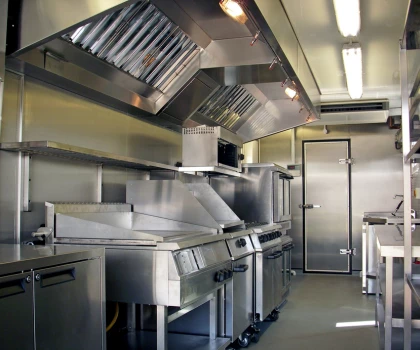
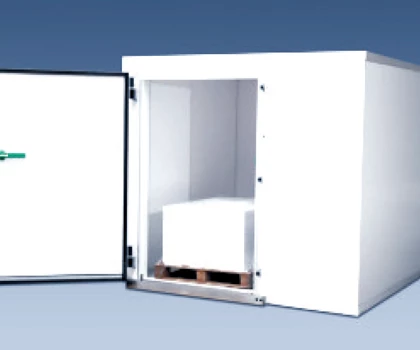
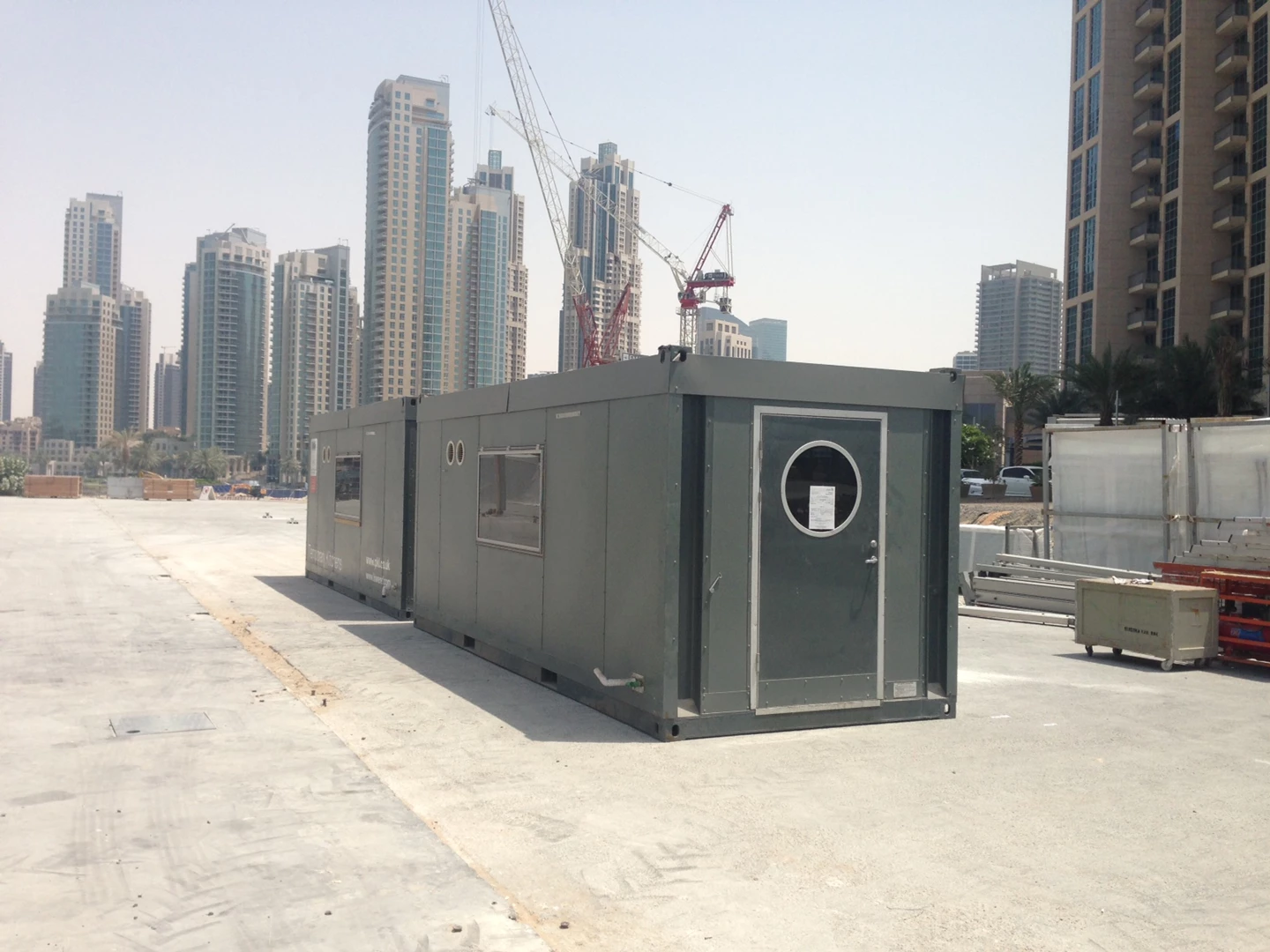
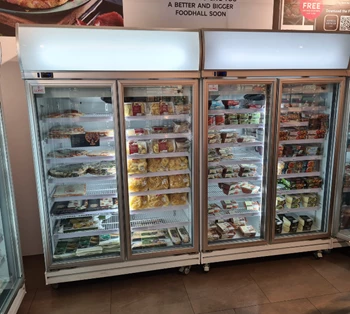
This is where fully managed services are playing an increasingly important role. By accessing refrigeration, cold storage and catering equipment on a fully managed rental service, retailers can meet temporary operational requirements with efficient ease. Scaling capacity when needed, maintaining continuity during refurbishment projects and responding quickly to changing operational demands.
And it’s not just about the equipment itself. A rental model removes the complexity associated with sourcing, installation, maintenance and ongoing support, giving retailers access to specialist expertise that enables their retail teams to focus on delivering exceptional customer experiences rather than managing critical infrastructure.
As the market continues to evolve, the retailers that embrace agility and leverage flexible fully managed solutions will be best positioned to respond to whatever comes next.
 +971 4 882 9440
  info@lowerental.com