 +44 (0) 28 9260 4619
 info@lowerental.com



Industry News
Why Convenience Stores Need to Rethink Equipment Ownership
By Ross Hackney
The retail sector is no stranger to volatility. With global economic conditions still fragile, retailers are once again having to adapt to changing market conditions and evolving customer behaviours. This is never easy in an industry where the impact of a downturn is felt first and felt hard.
Convenience retail, in particular, is at the sharp end of change. Rising energy costs, shifting consumer behaviour, and new regulatory pressures are testing store operators like never before. At the same time, these smaller stores often carry the same high fixed costs as larger retailers, particularly leases, logistics and, crucially, equipment. These are commitments that cannot be switched off overnight, leaving little flexibility when times get tough.
For many operators, ownership has traditionally felt like the safest path. But today, ownership can be the very thing holding convenience retail back.

By Ross Hackney
The retail sector is no stranger to volatility. With global economic conditions still fragile, retailers are once again having to adapt to changing market conditions and evolving customer behaviours. This is never easy in an industry where the impact of a downturn is felt first and felt hard.
Convenience retail, in particular, is at the sharp end of change. Rising energy costs, shifting consumer behaviour, and new regulatory pressures are testing store operators like never before. At the same time, these smaller stores often carry the same high fixed costs as larger retailers, particularly leases, logistics and, crucially, equipment. These are commitments that cannot be switched off overnight, leaving little flexibility when times get tough.
For many operators, ownership has traditionally felt like the safest path. But today, ownership can be the very thing holding convenience retail back.
Short leases, long liabilities
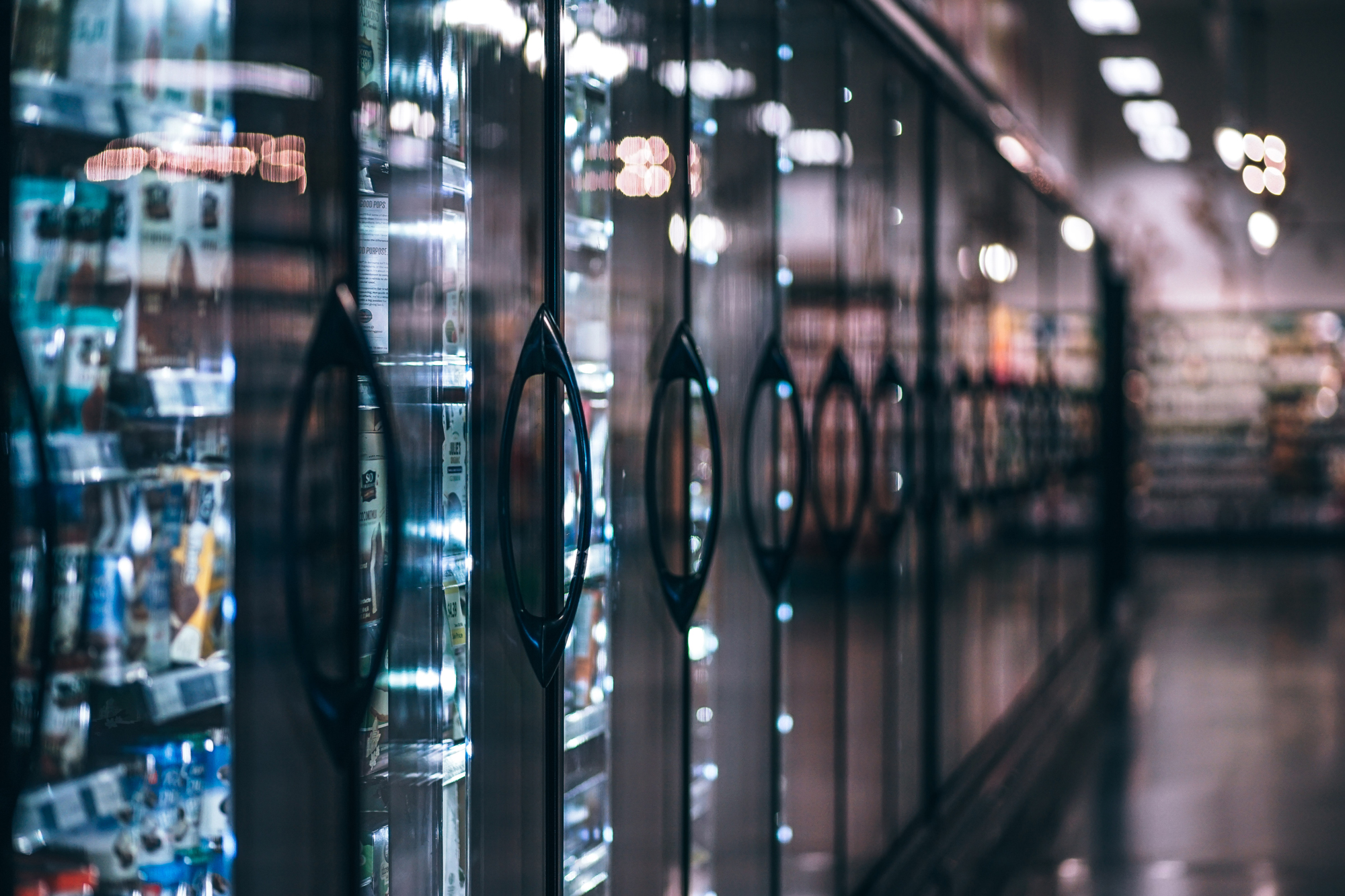
Store leases are getting shorter, but refrigeration systems, shelving and other core assets are still bought outright and booked to the balance sheet. When a store closes or moves, retailers are often left with costly equipment that no longer fits the new format. Remote refrigeration in particular creates hidden liabilities: ducting and plant rooms are expensive to install and even more costly to remove, often leaving unusable infrastructure behind.
High energy and upgrade costs
Energy bills are one of the biggest pressures facing convenience retailers today, particularly those with older stores. Refrigeration is a major contributor to operating costs in grocery businesses, responsible for roughly 60% of total life cycle costs through energy use, and an additional 20% attributed to maintenance, according to Star Refrigeration.
The latest refrigeration systems can deliver major efficiency gains, but the capital outlay needed to upgrade will often be prohibitive. This leaves many retailers trapped with inefficient, high-cost equipment at a time when margins are already under strain.
What’s the Solution?
Equipment-as-a-Service (EaaS) offers a way out of this bind. Instead of tying up capital in assets that may not last the lease, retailers pay a predictable monthly fee to access the equipment they need. Servicing, maintenance, upgrades and end-of-life removal are handled by the supplier, reducing downtime and operational headaches. For convenience formats, where teams are small and refrigeration expertise is limited, that peace of mind is critical.
Financially, shifting from large upfront purchases to predictable monthly payments helps protect cash flow and make costs more manageable. This not only protects cash flow but also frees up capital to be invested elsewhere in the business. Just as importantly, this model makes it easier to adopt new, energy-efficient systems without the burden of big one-off expenses. In many cases, the energy savings will cover the rental itself.
Fully managed contract/ partnership
Under an EaaS model, suppliers are responsible for keeping the equipment running at all times which means that effective monitoring and predictive maintenance will be built into the service. With connected technology and data insights, convenience retailers can track energy use, spot risks before they become breakdowns, and stay on top of compliance. In other words, they are able to proactively manage their stores rather than wasting time and energy firefighting problems.
The bigger picture
Grocery Retail, in particular convenience retail, has always been about agility: meeting shoppers where they are, and flexing to local needs. Yet in equipment ownership, the sector has been surprisingly conservative. Ownership once looked safe; today it looks risky. The cost of standing still is rising, whether through energy bills, regulatory compliance, or stranded assets at the end of a lease.
EaaS is not a new model. Other industries have already embraced this way of working. Construction and manufacturing businesses, for example, have long used hire and service models to avoid tying up capital in heavy equipment. Yet retail has largely stuck with the ownership mindset. Refrigeration units, shelving systems and point-of-sale terminals are still often seen as assets to sit on the balance sheet – although times are changing and demand for EaaS is now accelerating.
Time for change?
For convenience retailers, the case for rethinking equipment ownership is no longer theoretical – it’s urgent, and increasingly unavoidable. Shorter leases, higher energy bills, and mounting regulatory pressure mean the old ownership mindset risks leaving stores exposed at exactly the moment they need to be most agile.
By embracing Equipment-as-a-Service, operators can swap heavy upfront costs and ongoing headaches for predictable, managed solutions that free them to focus on customers, growth, and resilience. Convenience retail has always thrived on adaptability, now is the time for its equipment strategy to catch up.