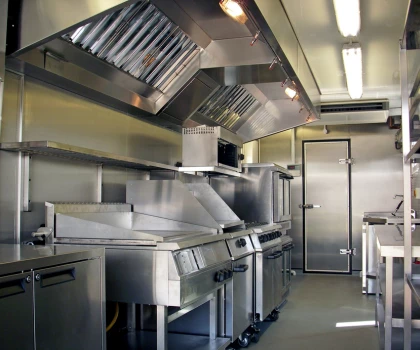
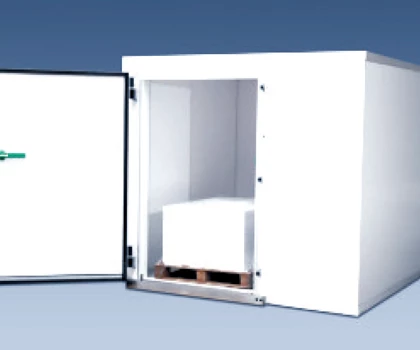
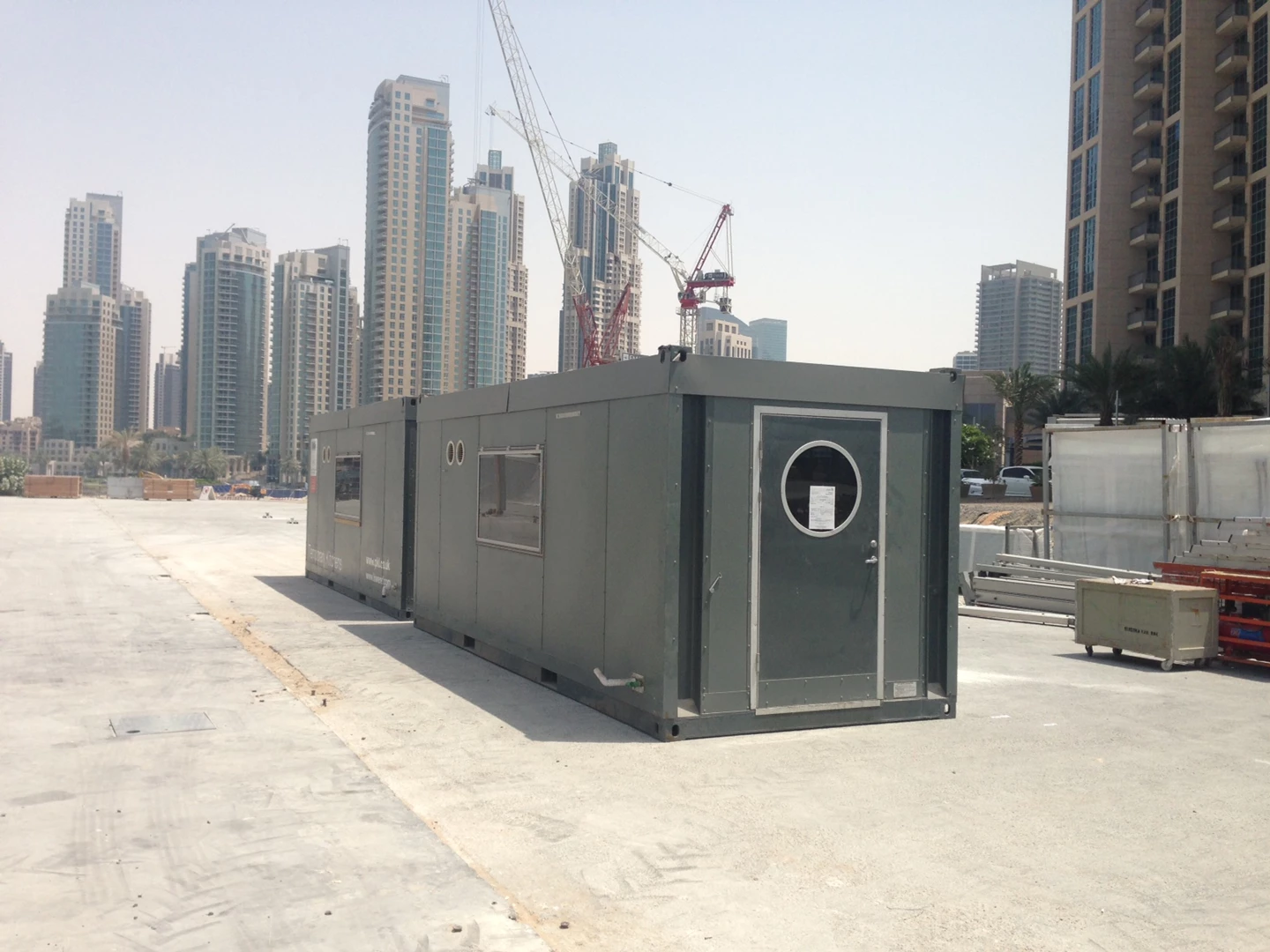
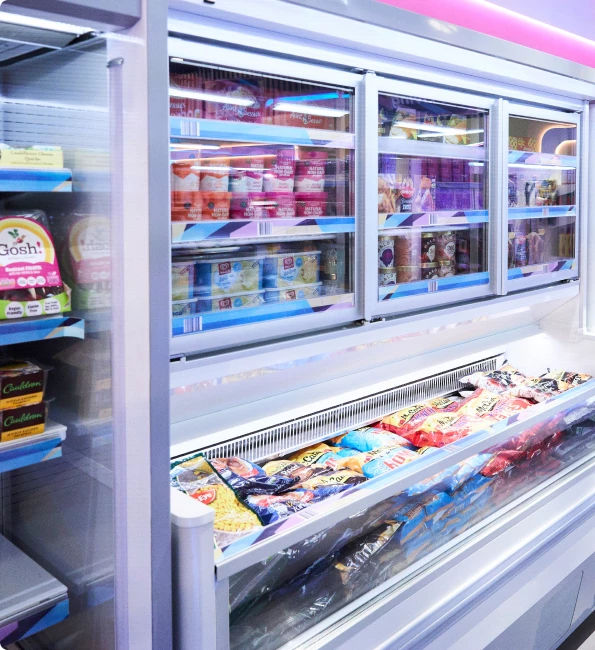
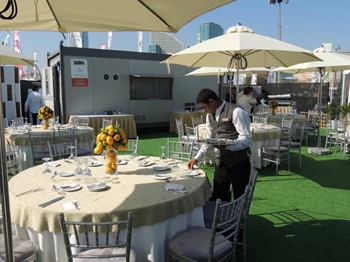
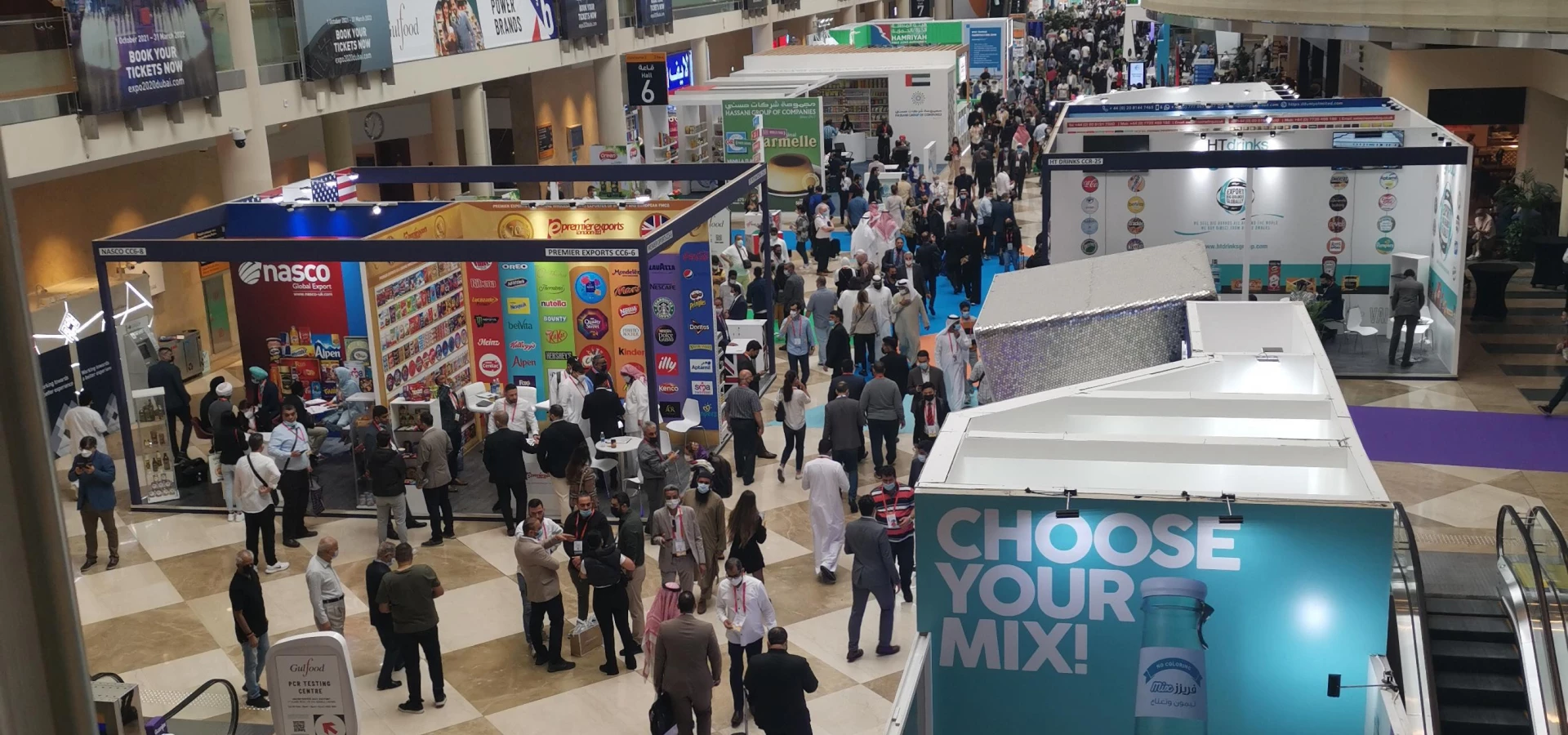
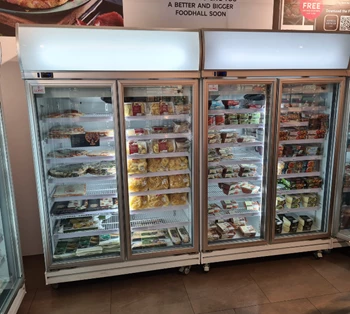
For many operators, EPCs and catering contractors working across oil & gas, construction and major infrastructure projects, catering is still viewed primarily as a logistical requirement rather than a critical operational function. The assumption is often that kitchens, dining facilities and cold storage can be finalised later in the planning process, once the major project decisions have been made.
The reality is that by the time catering infrastructure enters the conversation, many of the decisions that influence its effectiveness have already been taken. What appears to be a minor planning decision can quickly become an operational challenge once a site is live.
More Than a Kitchen
The misconception is that catering infrastructure exists purely to provide meals. In reality, it plays a much broader role in the successful operation of a workforce camp. Once mobilisation begins, catering becomes interconnected with workforce productivity, welfare, compliance, logistics and the overall rhythm of site operations.
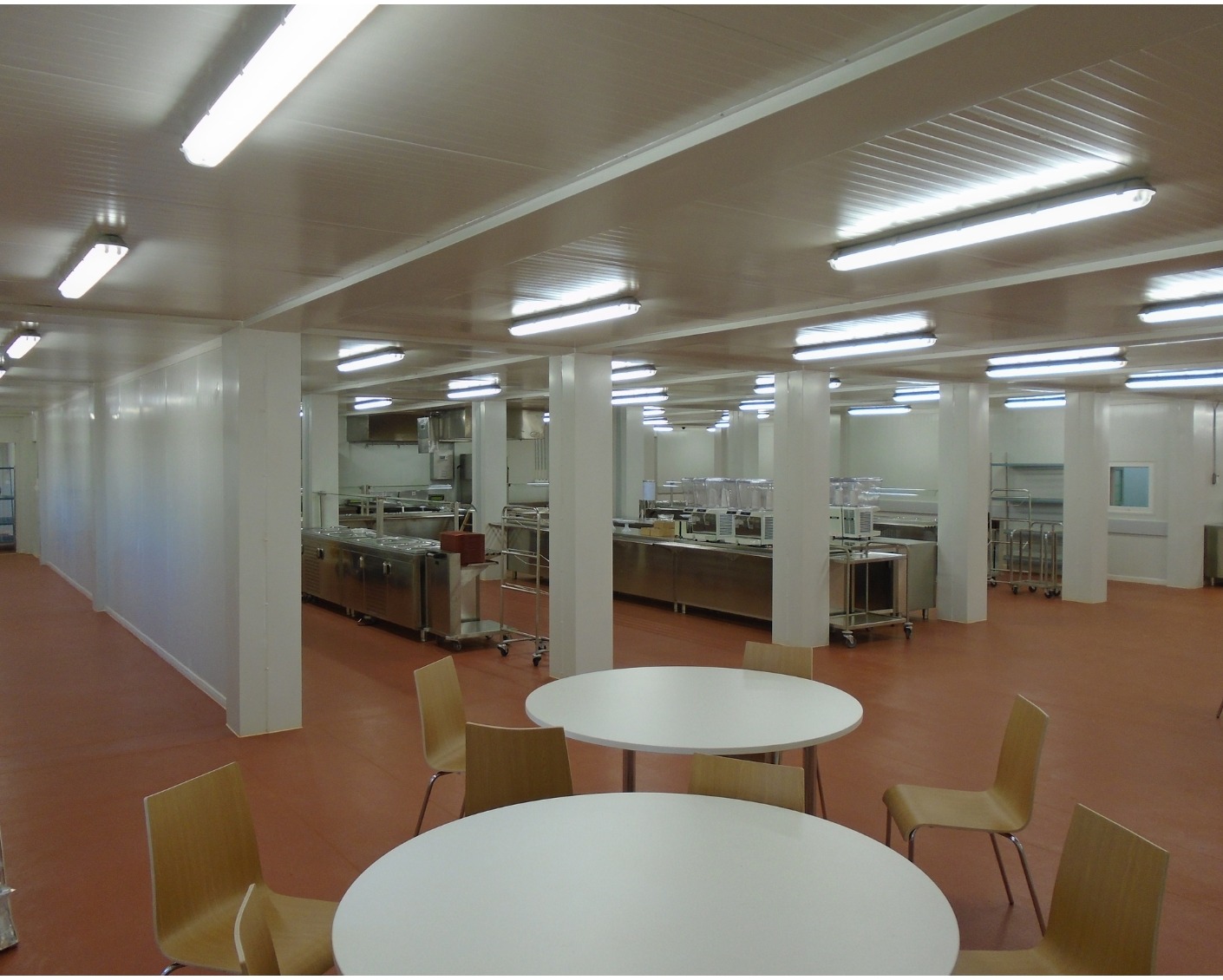
Every day, hundreds or even thousands of workers move through kitchens, dining facilities and food service areas. Meals must be prepared safely, stored correctly and served efficiently within tightly managed shift patterns. Cold chain performance must be maintained, stock must be managed and welfare expectations must be met.
When the infrastructure supporting those activities has been planned properly, the operation functions seamlessly. Meals are delivered on time, workforce schedules remain on track and catering becomes a dependable part of daily site life. When it has not, problems emerge quickly.
When Planning Gaps Become Operational Problems
The challenge with catering infrastructure is not that issues are difficult to identify. It is that they become difficult to solve once a site is operational.
Kitchen capacity that appeared sufficient during planning may struggle to support actual workforce numbers. Dining facilities can become overcrowded during peak service periods. Cold storage requirements can increase as workforce populations grow, while changing project schedules often place additional pressure on existing facilities.
At that stage, resolving the issue is rarely straightforward, layouts have already been established, Utilities have been installed along with accommodation and support facilities are operational. Introducing additional kitchen capacity, expanding cold storage or redesigning service workflows often requires further mobilisation, additional expenditure and disruption to ongoing operations.
What could have been addressed during planning becomes a live operational issue competing for budget, management attention and valuable project time. This challenge becomes even more pronounced on remote or large-scale projects where logistics are already complex and access to additional infrastructure may be limited.
The Human Impact
While operational performance is often the first concern, the impact on workforce welfare can be equally significant.
For personnel working in demanding environments and often spending extended periods away from home, catering is one of the most visible and consistent aspects of daily life on site. Workers expect meals to be available reliably, served efficiently and prepared to an appropriate standard.
When those expectations are met, catering tends to go unnoticed. When they are not, dissatisfaction spreads quickly. The effects can be seen in morale, workforce satisfaction and retention, but they also extend into broader welfare standards that operators and EPCs are increasingly expected to demonstrate to clients, regulators and stakeholders.
As workforce welfare continues to move higher up the agenda across the GCC’s energy and infrastructure sectors, the facilities supporting that welfare can no longer be considered secondary considerations.
The Hidden Commercial Cost
The financial impact of inadequate catering infrastructure rarely appears during the planning phase.
Instead, costs emerge later, when modifications become necessary and the cost of change has increased significantly.
Additional cold storage, expanded dining facilities, revised kitchen layouts and temporary workarounds all introduce expenditure that was not anticipated in the original project budget. Operational disruption and reduced efficiency often add further pressure.
As projects become larger, more complex and longer in duration, the financial exposure grows alongside them.
The cost of catering infrastructure itself is rarely the issue. The greater cost is having to revisit, redesign and retrofit infrastructure that could have been planned correctly from the outset.
Why Early Engagement Matters
This is why leading operators increasingly engage catering infrastructure specialists during the planning and pre-mobilisation stages of a project.
Early engagement allows project teams to look beyond equipment selection and focus instead on how facilities will actually function throughout the life of the project.
That means understanding workforce numbers not only at mobilisation but at peak occupancy. It means considering how food will move through the facility, how storage requirements may evolve and how dining capacity aligns with workforce shift patterns.
Most importantly, it allows infrastructure to be designed with flexibility in mind.
Because projects rarely remain static.
Workforce numbers increase and decrease. Timelines shift. Scope evolves. Facilities that appear appropriate on day one may require adaptation six months later.
The most effective solutions are those designed to accommodate that reality from the beginning.
The Advantage of a Rental Model
This need for flexibility is one of the reasons rental infrastructure continues to gain traction across major projects throughout the GCC.
Unlike a capital purchase, which commits an operator to a fixed asset regardless of how project requirements evolve, rental provides the ability to scale infrastructure in line with operational demand.
Equipment can be introduced as workforce numbers increase, adjusted as project requirements change and removed when demand reduces. Capital remains focused on core project activities while maintenance, compliance and asset management responsibilities remain with the specialist provider.
For long-duration projects operating in remote or challenging environments, the benefits extend beyond flexibility alone. Rental also removes much of the procurement, maintenance and demobilisation burden that would otherwise sit with the project team.
The result is a model designed around operational agility rather than asset ownership.
Planning for Performance
As projects across the GCC continue to increase in scale and complexity, catering infrastructure is gradually being recognised for what it truly is: a critical component of operational success.
The most successful projects do not wait until mobilisation is approaching before considering how workforce catering will be delivered. They address it alongside accommodation, utilities and site services, ensuring the infrastructure supporting workforce welfare and productivity is considered from the outset.
Because the question is no longer whether catering infrastructure should be prioritised.
It is when.
And increasingly, the answer is earlier than most projects currently do.
To discuss how catering and cold chain infrastructure can support workforce welfare, operational continuity and project performance across the GCC, contact us here, book a meeting or connect with James Dodgson, Commercial Director at Lowe Rental here:
LinkedIn Profile
 +971 4 882 9440
  info@lowerental.com